Across our community, Fellows are doing the hard, hopeful work of helping people build lives and careers right here in Hawaiʻi. In our latest issue of Taking on Tomorrow, we asked several of them to share what workforce development looks like and this is what they had to share.
By: Laura Reichhardt
What is your organization doing to help create meaningful career pathways that allow people to build a life in Hawaiʻi?
The Hawai‘i State Center for Nursing centers our work on how to ensure we have enough nurses, and where those nurses are needed. As a state agency embedded in the University of Hawai‘i, we produce research, recommend strategy, and launch programs aimed at recruiting and retaining nurses. However, we still only have third-party influence.
Here are three ways we do work that yields change, creates meaningful career pathways, and achieves livable wages in Hawai‘i:
- Adjust survey tools and data accessibility to respond to contemporary needs and report state data by counties so that regional and temporal solutions can be data driven: Our long-term investment in quality, responsive local data has led us to have the most comprehensive set of data about nurses in Hawai‘i that exists.
- Be the loud champion for addressing rural and neighbor island needs:Validating requests, providing legislators and other policy makers with good local data, and contextualizing opportunities and needs are a responsibility that we take seriously.
- Amplify and scale recruitment and retention programs through strategic coordination: One of our greatest successes is the Hawai‘i Nurse Transition to Practice Program, which expanded new graduate nurse hiring programs across all counties, tripled the program size (350% increase pre- to post-pandemic) and boasts a 97% retention rate for new nurses (as compared to about 82% nationally), and then riffed on this model to do it again for working nurses looking to stay at their hospital but specialize (i.e., move into new roles at hospitals like ICU or labor & delivery).
Our outcome is that we have local data informing local training capacity, and then we grease the wheels for local hiring and retention programs. Today, nurses are one of the largest professions in Hawai‘i, and most registered nurses are able to earn a livable wage across all islands.
Moreover, collaborating on priorities with local schools of nursing and nursing employers ensures we enable our local residents to learn how to be a nurse and then get their first job in nursing within their own community. One new graduate remarked:
“As a new graduate in the emergency department at Kona Community Hospital, I felt a strong connection to my community, having been born and raised on this island. During my interview with my manager, I expressed my desire to stay and contribute to the community. The nurse residency program has been a vital support system for me and my colleagues, helping us navigate the overwhelming experience of being new grads. With the backing of our managers and staff, I feel empowered to grow in my role without the fear that typically accompanies such a transition.”
Many strategies, relationships, and initiatives helped this nurse receive the support that made her feel confident and that she had a welcoming career in her own community. It’s validation that this multi-pronged approach is paying off.
This story appears in the September/October 2026 issue of Taking on Tomorrow.
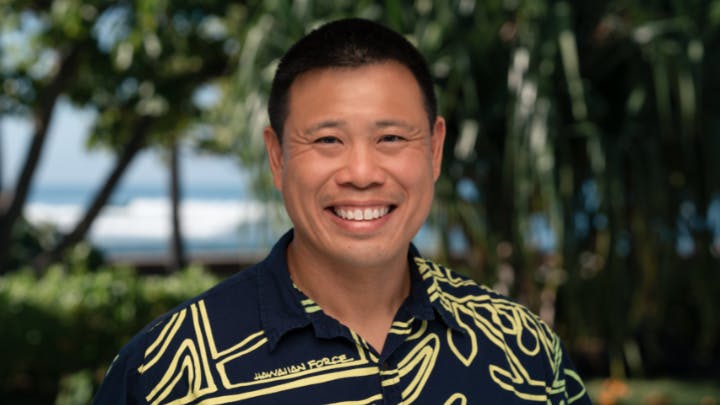
John Leong shares how Kupu connects youth to ʻāina-based careers through hands-on service, having employed about 7,000 young adults, with 80% of alumni continuing into higher education or related fields.